Large
Beast
CR 1/4
Unaligned
Gulriven Shoebill
Thundercall Marsh Mount
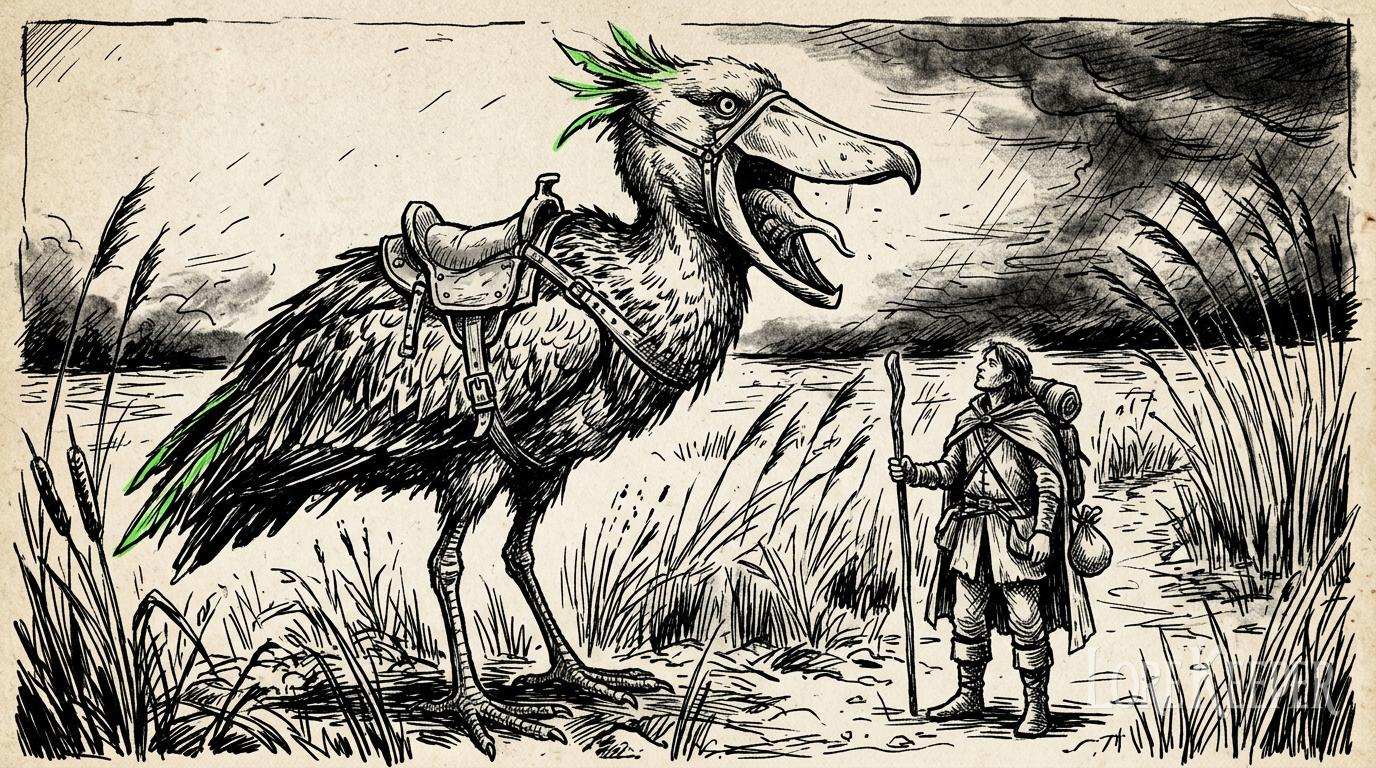
A hulking, black-feathered shoebill with a slablike beak tipped in sickly green plumage, the Gulriven Shoebill announces itself before it appears: a single, cavernous honk like a struck bell that rolls across reedbeds and sets lanterns trembling. Calm and oddly docile around handlers, it becomes an intimidating, living drum in the wild — its thunderous calls can stagger small beasts and scatter flocks. Though sought as a mount for its steady gait and calming presence, no rider has ever seen a Gulriven sustain true flight while burdened; it will leap and glide, but always prefers wattled ground and low, wind-swept crossings.
Armour
13
natural armor
Hit points
20
3d10+3
Speed
40ft
40 ft., fly 60 ft.
Challenge
1/4
50 XP
STR
14
+2
DEX
10
+0
CON
12
+1
INT
3
-4
WIS
12
+1
CHA
6
-2
Skills
Perception +3
Senses
passive Perception 13, keen sight
Languages
understands Common and Auran but can't speak
Multiattack. The Gulriven Shoebill makes two attacks: one Beak and one Stomp.
Beak. Melee Weapon Attack: +4 to hit, reach 5 ft., one target. Hit: 7 (1d8+2) piercing damage.
Stomp. Melee Weapon Attack: +4 to hit, reach 5 ft., one target. Hit: 5 (1d6+2) bludgeoning damage.
Thunderous Call (Recharge 5-6). The Gulriven Shoebill lets out a booming honk. Each creature of the Gulriven's choice within 30 feet must succeed on a DC 12 Constitution saving throw or take 7 (2d6) thunder damage and be deafened until the end of its next turn. On a successful save a creature takes half damage and isn't deafened.
The Gulriven Shoebill is native to the rank canals and reed islands of the Gorun Marshes, where storm breezes and low thunder are constant companions. Folk there claim the bird was born of a marsh that once swallowed a votive bronze gong; the bird's booming cry is said to be the gong's voice, angered at being disturbed. Hunters and marsh-herds prize tame Gulrivens for guiding cattle across flooded flats and for the startling display of sound they provide when driven to flush waterfowl. Scholars disagree on the creature's exact origins. The naturalist Marrek Oss argues the shoebill's call evolved to stun fish and small amphibians, allowing the bird to hunt without stooping. A cult called the Wet Chord — a small, secretive band of reed-priests in the village of Heshur — believes taming a Gulriven links a house to ancestral thunder and will attach jingling, green-hooded harnesses to ensure the bird remembers its song. Encounters with wild Gulrivens are usually nonviolent: they will tolerate a handler but will flee or issue repeated thunder-calls if injured or if their nesting reeds are cut.
Think of an immense shoebill stork, standing hip-high to a human but far broader in the shoulders. Its plumage is glossy black with an array of bright, almost neon-green accent feathers along the crest, nape, and primary wing tips that flare when the bird puffs or calls. The beak is oversized and boxy, like a blunt wooden plane, with faint ridges and a small hooked tip; when it opens to call, the throat pouch pulses like a bellows. Legs are thick and scaly, the knees bowed for wading, with wide, webbed feet that spread like paddles. Feather texture should read dense and oily; the green accents should appear as sharp, single-stroke highlights against the heavier crosshatched black. Include a harness and low saddle designed for swamp travel — rough leather straps and reed padding — to imply common use as a mount.
Made with the free LoreKeeper Monster Generator · D&D 5e-compatible stat block · Free to use at your table · Licence
More Beasts
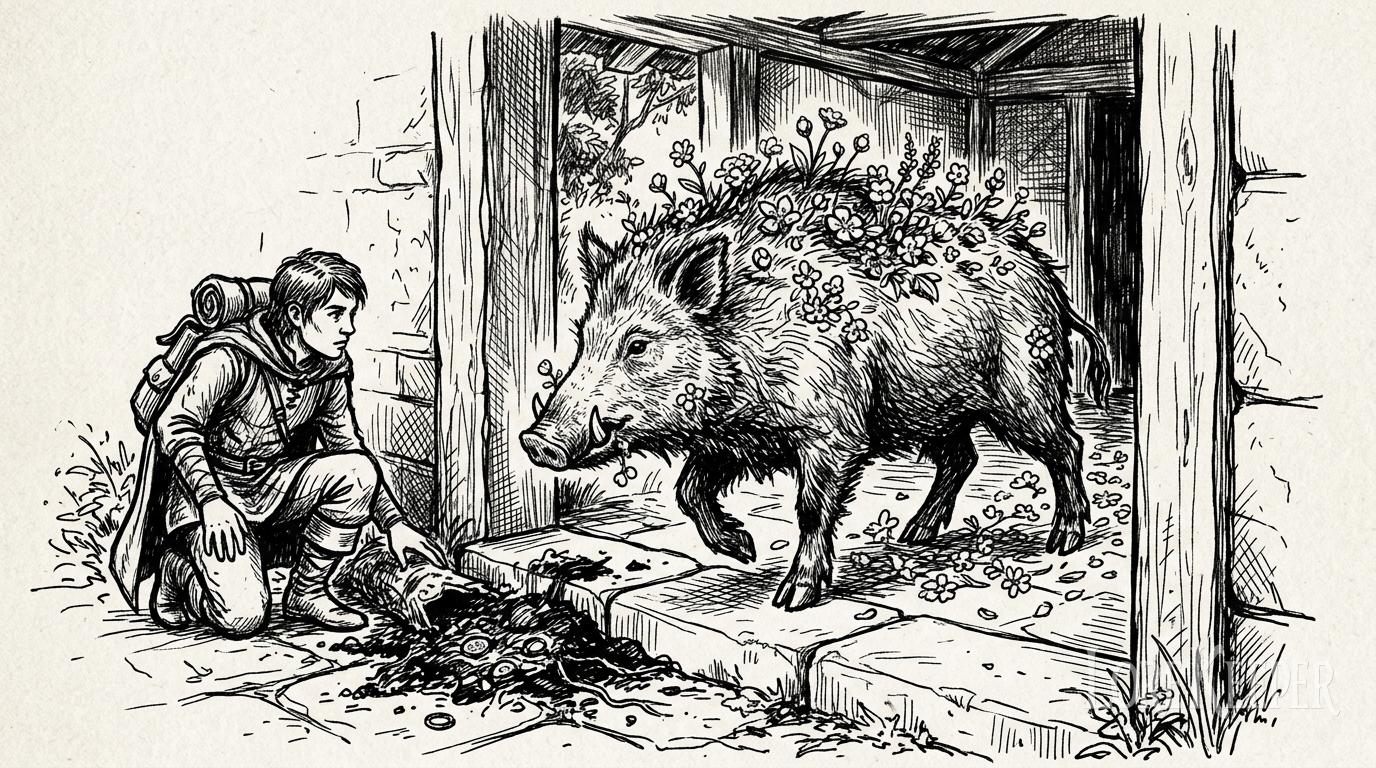
Floraswine
A squat boar whose bristly hide blooms with living flowers, the Floraswine moves like a spring riot given legs and a snout. Wherever it pads, petals unfurl and tiny buds push through the earth in…
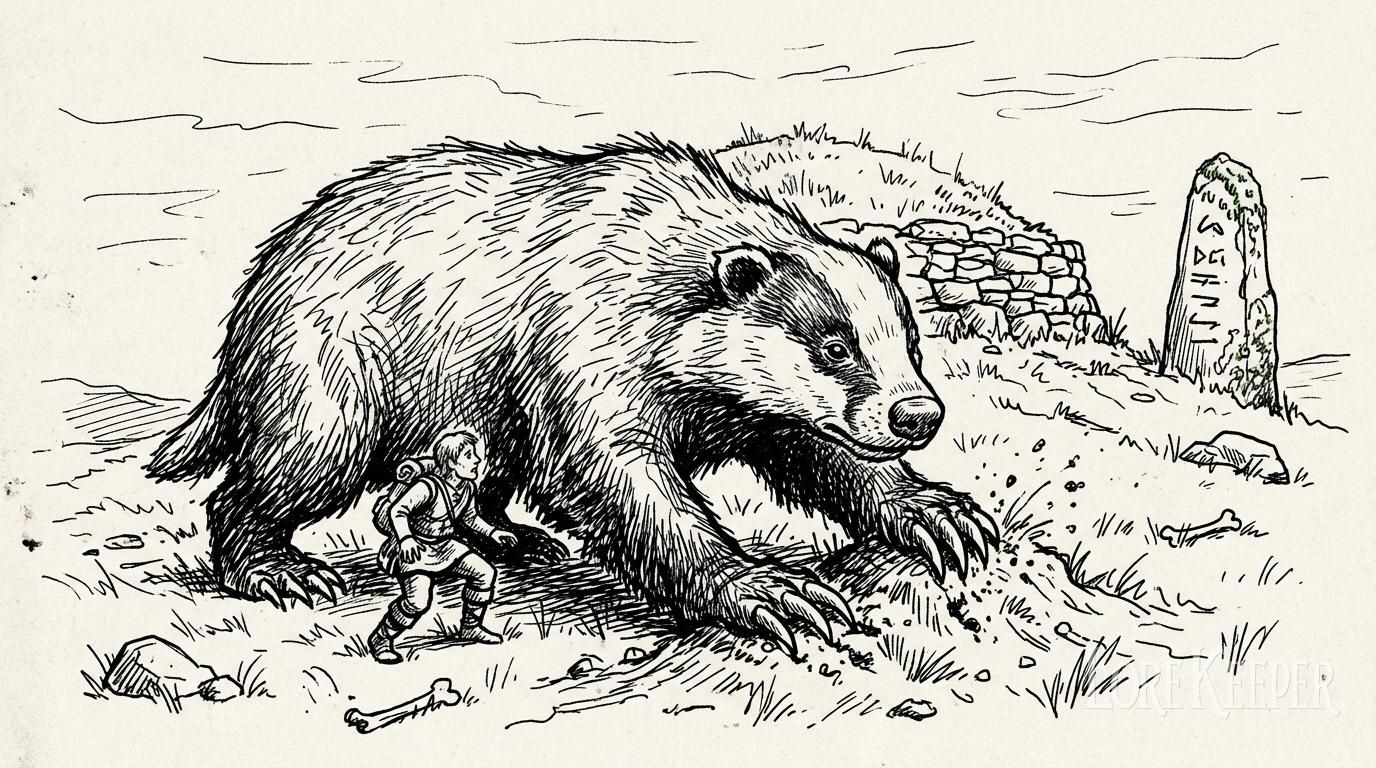
Brumhuld
Brumhuld is a monstrous, cart-sized badger that smells of earth and old iron. It patrols the tumulus and ridge-lines around ancestral hill-forts with an uncanny stubbornness, flattening trespassers…
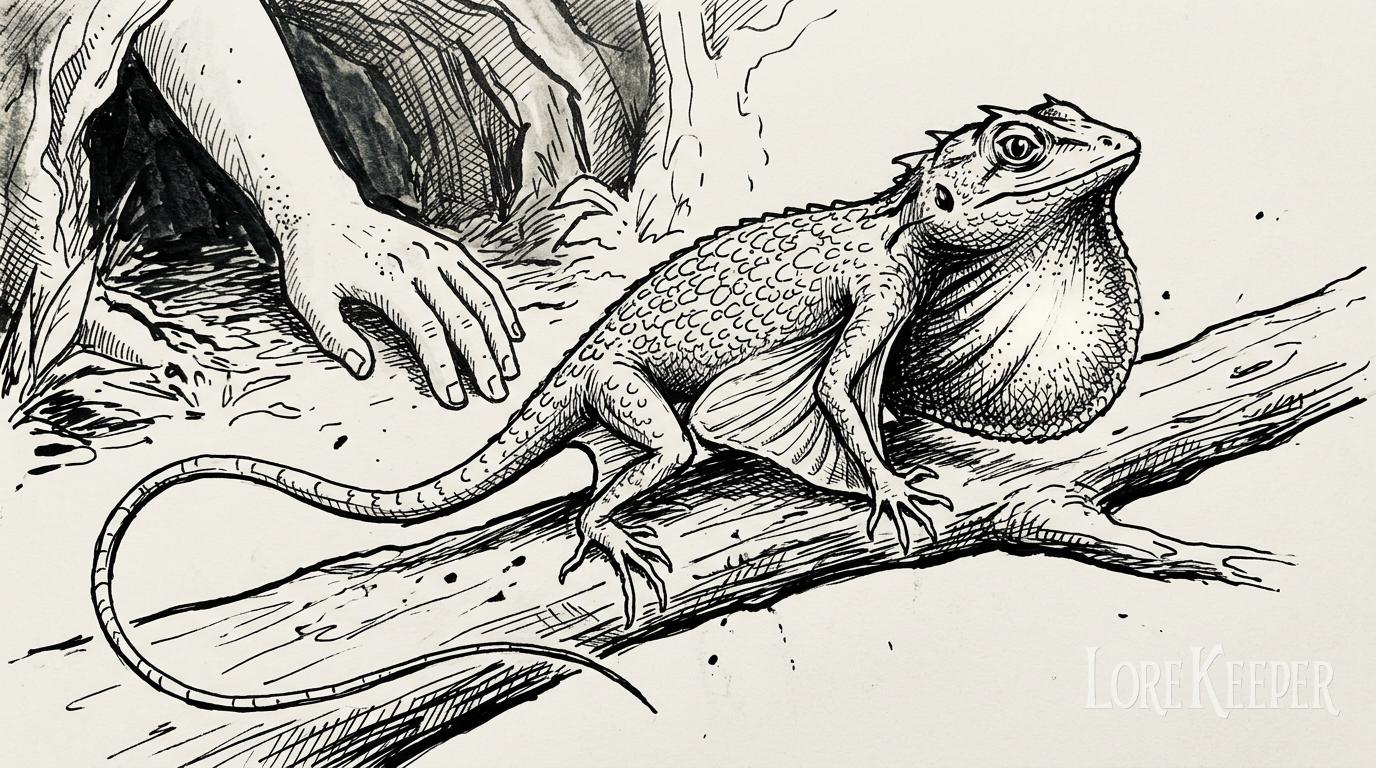
Pyrrhiscale
The Pyrrhiscale is a tiny, batlike lizard whose throat pouch blooms into a soft, breathing lamp. When it fans its neck the world around it takes on an otherworldly glow — insects wheel toward that…
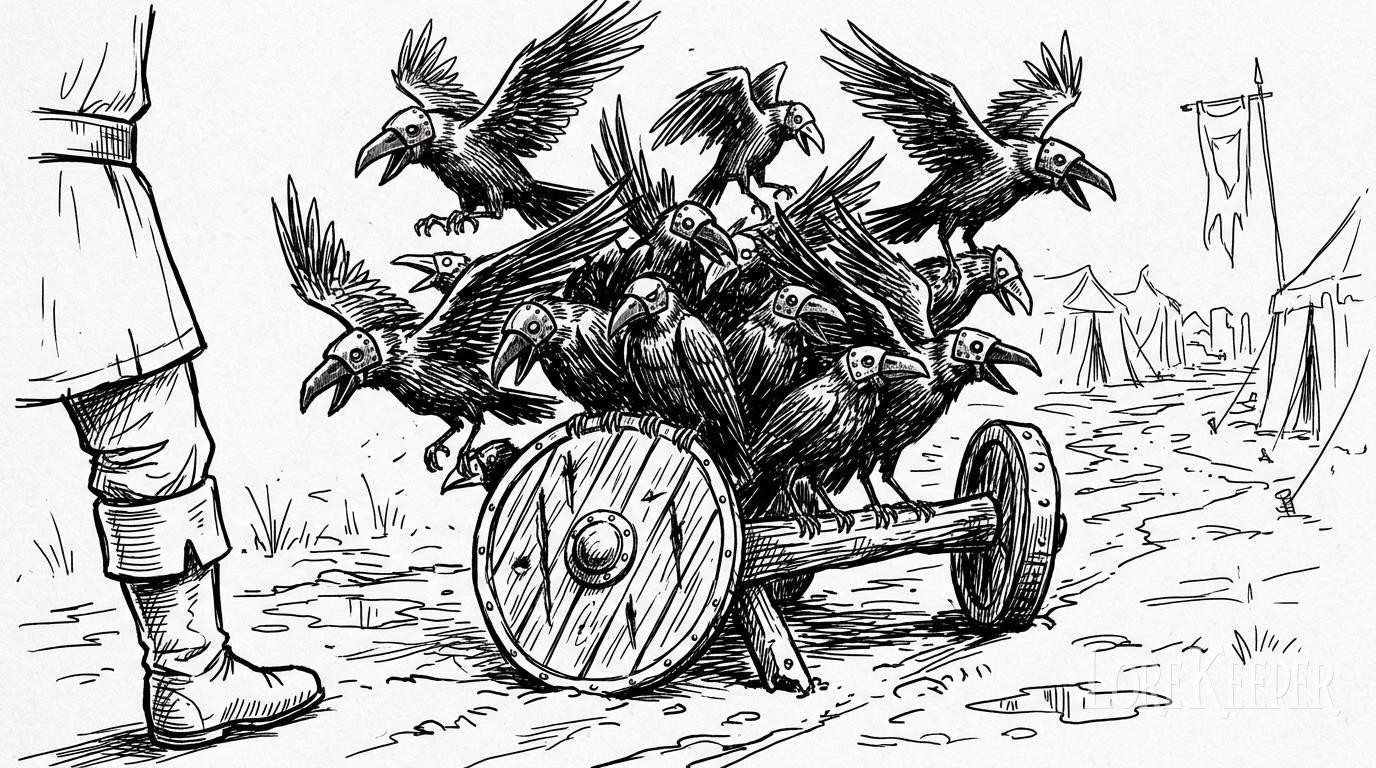
Ferric Murkflock
A wheel of metallic-eyed crows that follows marching columns, Ferric Murkflock appears as a living herald of war: dozens of iron-beaked birds wheel and settle on wagon axles, helms, and banners…
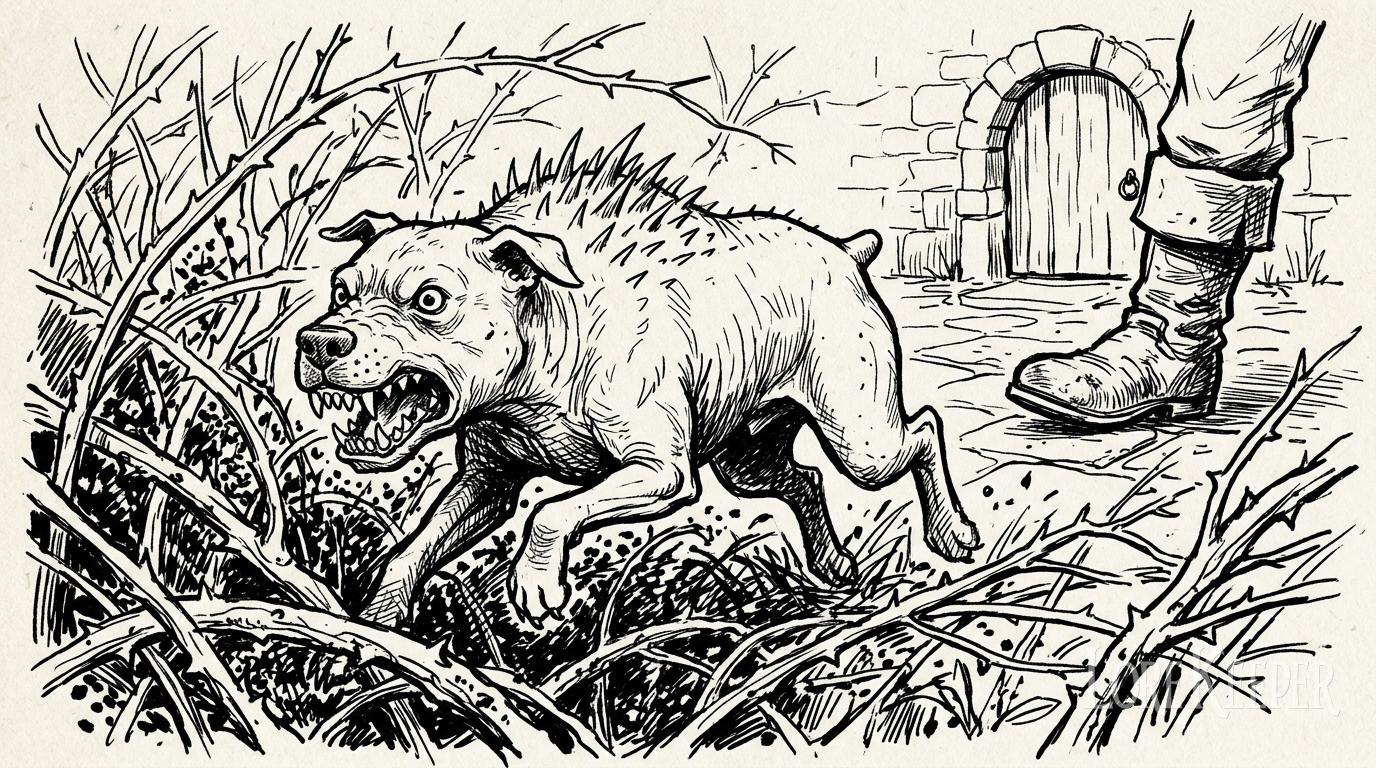
Grumbrel
A compact, hairless canid bristling with hardened keratin spines along its neck and shoulders, the Grumbrel moves with an erratic, snapping fury that makes it terrifying despite its small stature…
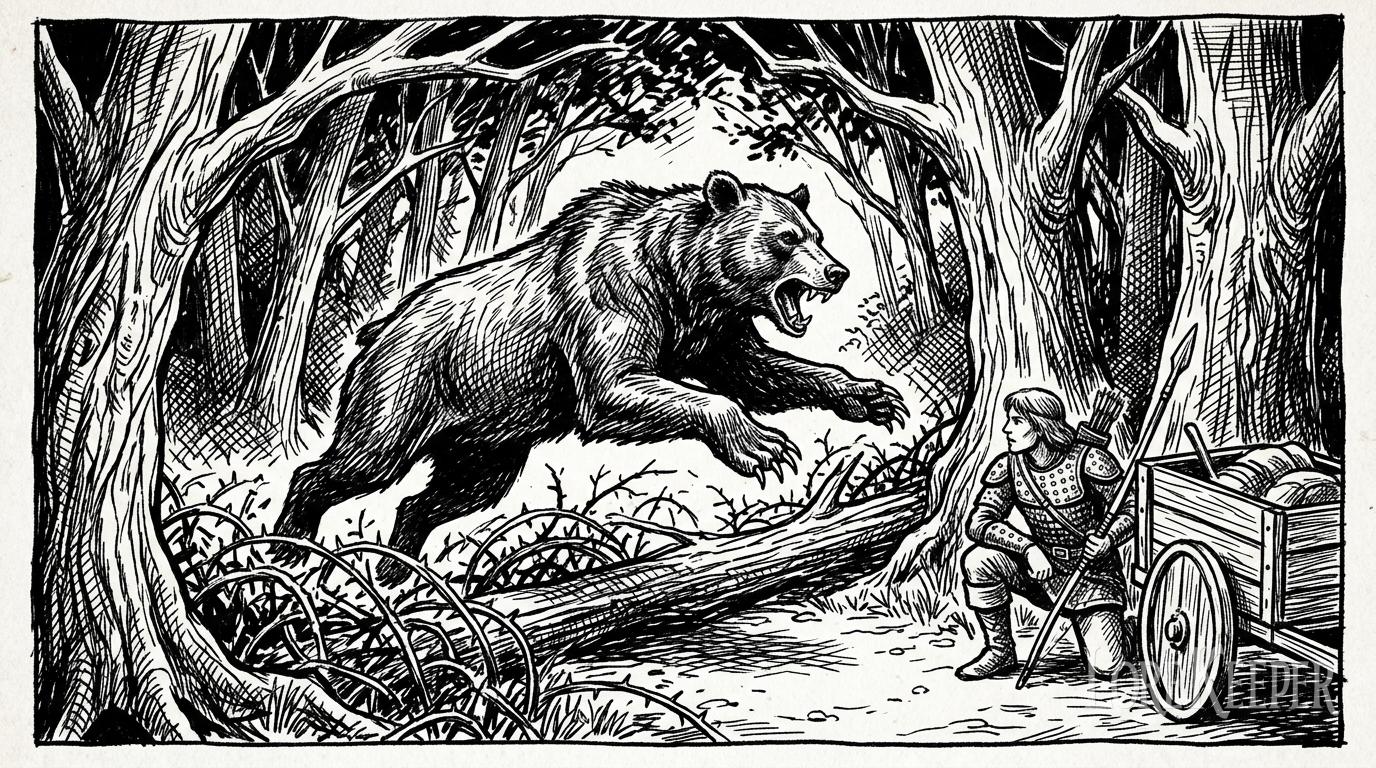
Kraghoth
A Kraghoth looks like a stocky black bear bent on violence, but it moves with the abrupt, leaping burst of a hunted predator. It explodes from cover in a blur of fur and claws, using reckless…