Large
Beast
CR 3
unaligned
Thrennix
Barbed Six-Leg Terror
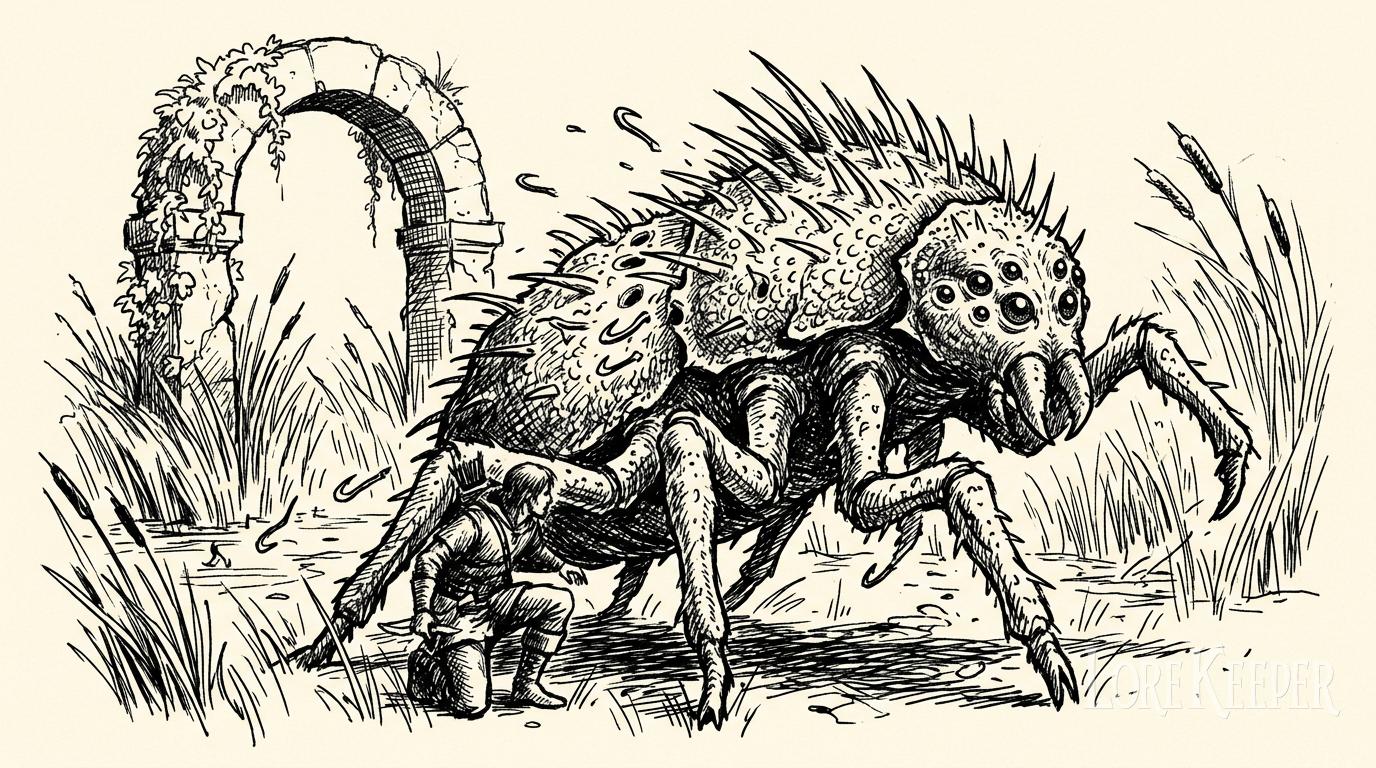
A low, skittering silhouette that appears the size of a warhound but impossibly angular, the Thrennix is memorable for the way its many eyes glitter like pinpricks of cold light and its body bristles with backward-curving barbs. It moves with a stuttering, insectile gait, six jointed legs churning in uncanny unison; when it attacks it lashes with a hooked forepincer and then shoves a barbed maw into the wound, leaving victims torn and choking on slick, dark saliva. Encounters with a Thrennix leave the air metallic and the ground studded with spent spines — a hunting ground made hazardous by the creature's habit of embedding its discarded quills into the surroundings as alarms and traps.
Armour
14
natural armor (spiny carapace)
Hit points
75
10d10+20
Speed
40ft
Challenge
3
700 XP
STR
16
+3
DEX
14
+2
CON
14
+2
INT
6
-2
WIS
12
+1
CHA
8
-1
Saving throws
DEX +4
Skills
Stealth +4
Senses
darkvision 60 ft., passive Perception 11
Languages
understands Common but can't speak
Multiattack. The Thrennix makes two attacks: one Claw and one Bite.
Claw. Melee Weapon Attack: +5 to hit, reach 5 ft., one target. Hit: 9 (2d6+3) slashing damage. If the target is a creature one size smaller than the Thrennix or smaller, the Thrennix can attempt to Grapple it (escape DC 13) as part of this attack instead of dealing damage.
Bite. Melee Weapon Attack: +5 to hit, reach 5 ft., one target. Hit: 11 (1d10+6) piercing damage, and the target must succeed on a DC 12 Constitution saving throw or take 7 (2d6) poison damage and have disadvantage on Strength checks and saves until the end of its next turn as the Thrennix's saliva dulls muscle response.
Spine Spray (Recharge 5-6). The Thrennix expels a fan of barbed spines in a 30-foot cone. Each creature in that cone must make a DC 12 Dexterity saving throw, taking 14 (4d6) piercing damage on a failed save, or half as much damage on a successful one. On a failed save, a creature also takes 3 (1d6) slashing damage at the start of each of its turns until it spends an Action to remove embedded quills (requiring a successful DC 12 Strength check or a healer's kit check).
Thrennix are denizens of damp, tangled places where stone and root braid. Naturalists in the marsh-forests of the Murkfen first cataloged them as 'thorn-hounds' for the barbed scutes that stud their flanks, but the scholar Magister Harnel argued that their six-legged gait and clustered compound eyes mark them as a separate adaptive branch of hunting beasts. Thrennix raise no lairs of clean bedding; instead they claim ruined stonework, hollowed trees, and sinkholes, festooning entrances with quills that sing when touched and leave a faint, bitter tang in the air. They seldom hunt in packs larger than a mated pair and a few juveniles, but those small groups coordinate with stealthy, predatory cunning. Legend holds that the Order of the Brindle Spear learned to hunt Thrennix centuries ago when a caravan route ran through marshlands thick with the creatures; survivors learned to watch the ground for the telltale black spikes. Tales told in the order's training yards speak of using broad shields rimed with grease to slide quills off, and of a ruined watchtower called Valespire where a single Thrennix reputedly kept three soldiers pinned until morning by firing quills like a living caltrop field. Scholars still debate whether the Thrennix evolved its quill-launching behavior or whether it is a learned hunting innovation spread culturally among packs.
A Thrennix is roughly the size of a warhorse's shoulder to rump length (about 6–7 feet long, standing 4–5 feet tall at the back) but more lithe and angular. Its exoskeletal plates are segmented and overlapped like a fish's scales but matte and pebbled, dark olive that fades to a sickly yellow along the belly. Along its spine and flanks are rows of hardened barbs that curve backward like hooked teeth; each barb is ridged and hollow at the base where it can be detached and expelled. The head is narrow and elongated, with a crescent of five small, glassy eyes on each side (ten total), and a central, beak-like maw surrounded by fleshy, suckering lips. The six legs are jointed three times, ending in splayed pads and a small inward-facing claw that helps it hook into soft earth. The tail is short and tipped with a fan of smaller spines. Texture notes: rough, irregular carapace plates with seams of darker chitin; the eyes are glassy and wet; barbs show fine longitudinal striations. When illustrating, show a human figure crouched beside it for scale and a ruined stone arch or marsh-reeded bank in the background to suggest habitat.
Made with the free LoreKeeper Monster Generator · D&D 5e-compatible stat block · Free to use at your table · Licence
More Beasts
Vespomycos
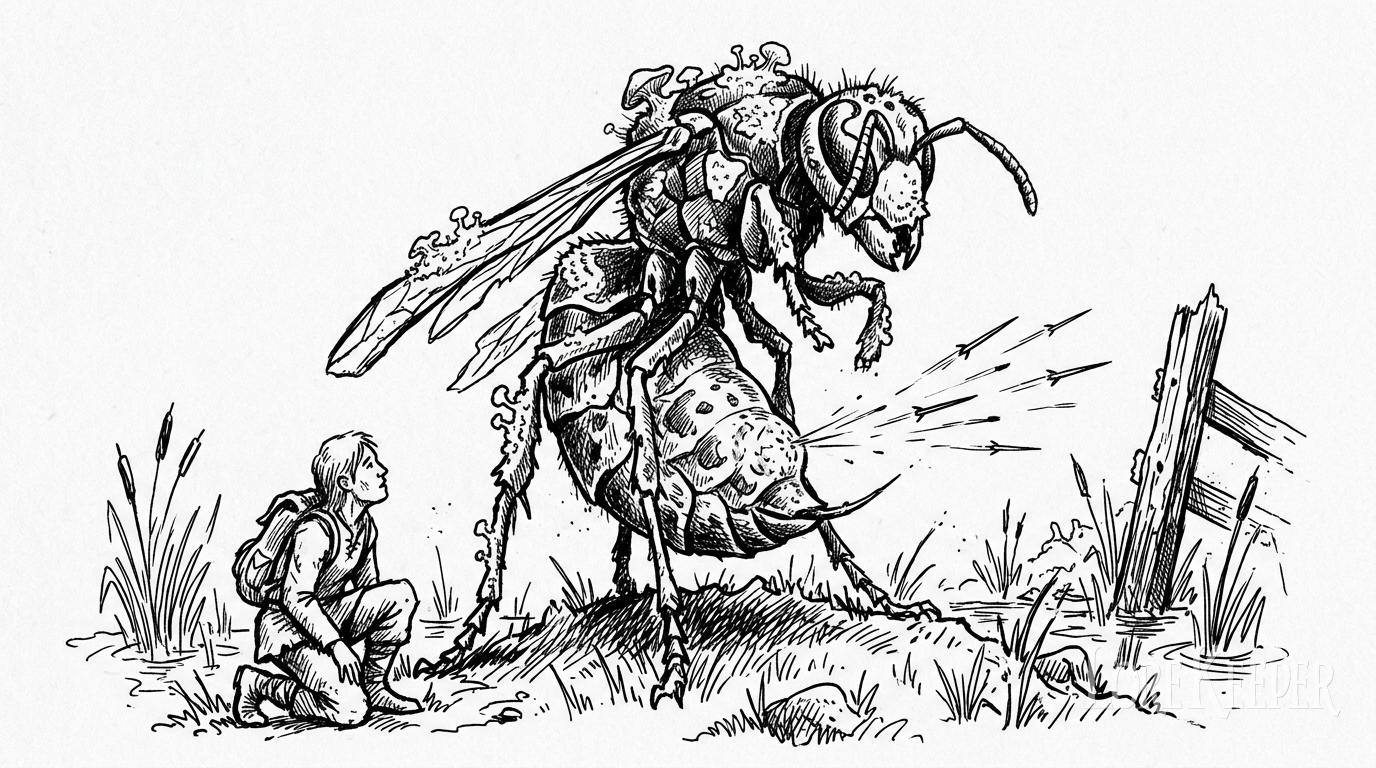
A hulking wasp the size of a man, its carapace mottled with fungal growths and trailing pale mycelial filaments. One of its legs hangs useless and ragged where the fungus has eaten the joint, yet it…
Urskel
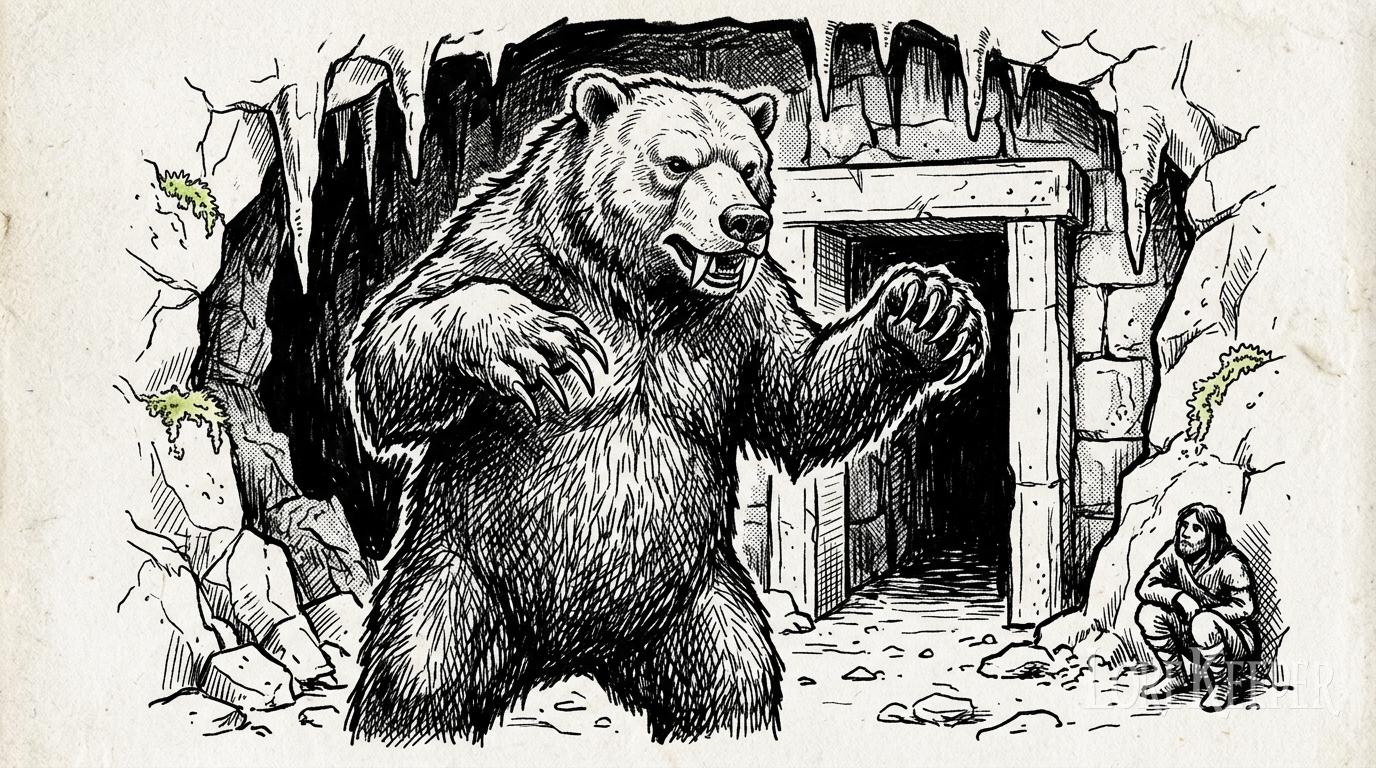
A hulking mass of fur and muscle, the Urskel lumbers from cave mouths with the slow, terrifying certainty of winter given up too soon. Roused before its fat stores have recovered, it is more…
Myrmothria
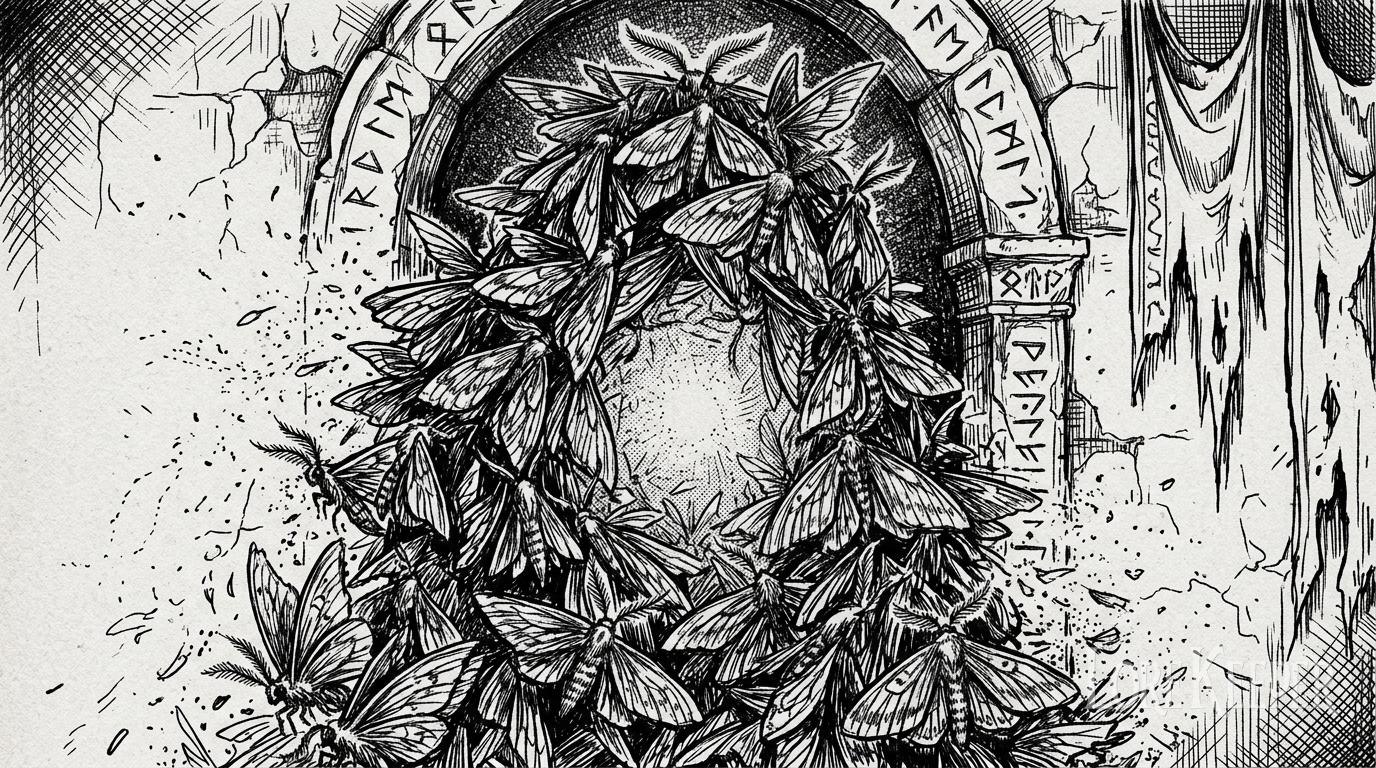
A seething cloud of pale-winged moths that flutters with a faint violet afterglow, Myrmothria are irresistibly drawn to ambient magic. They do not simply bite — they carpet the air with fine…
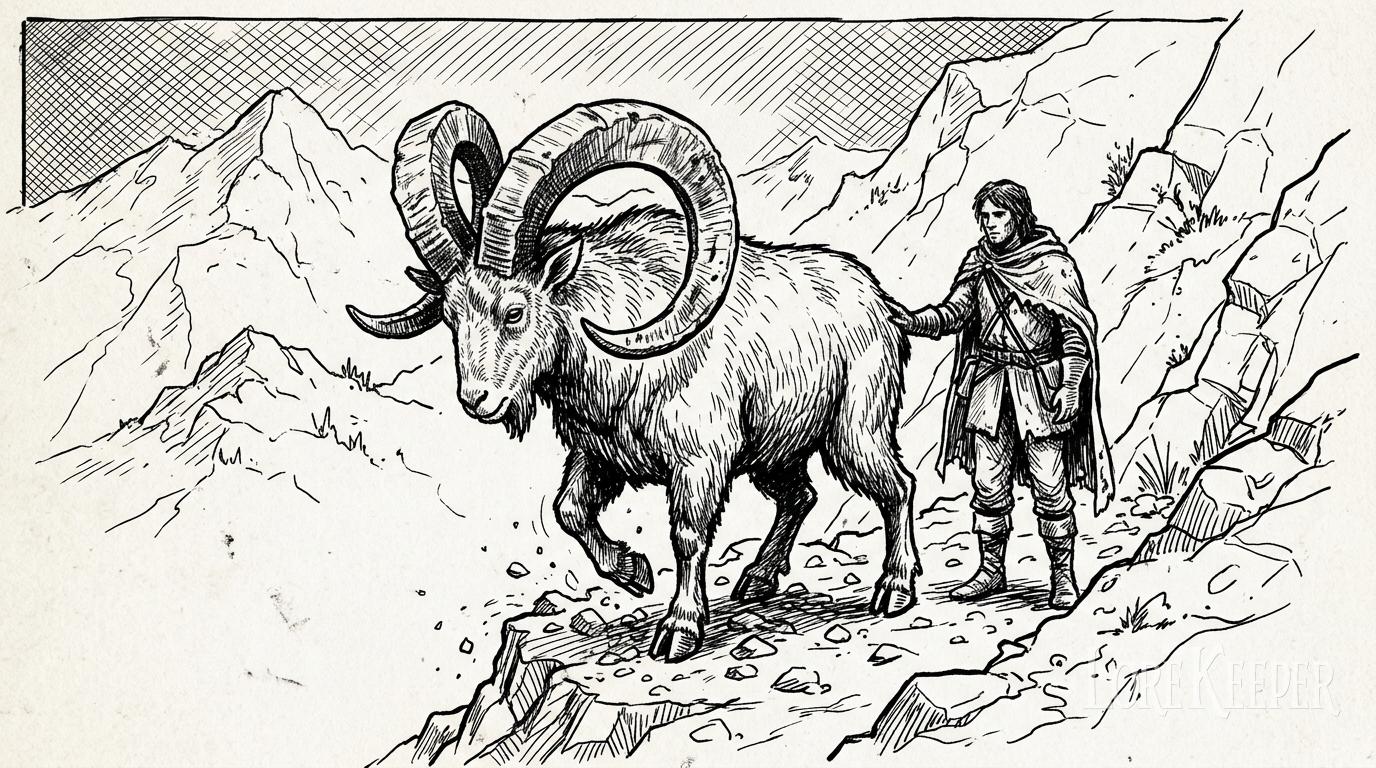
Furrowram
A Furrowram looks like a compact, muscular mountain goat whose twin horns have been unnaturally flattened and sharpened into gleaming ploughshare blades. It charges with machine-like determination…
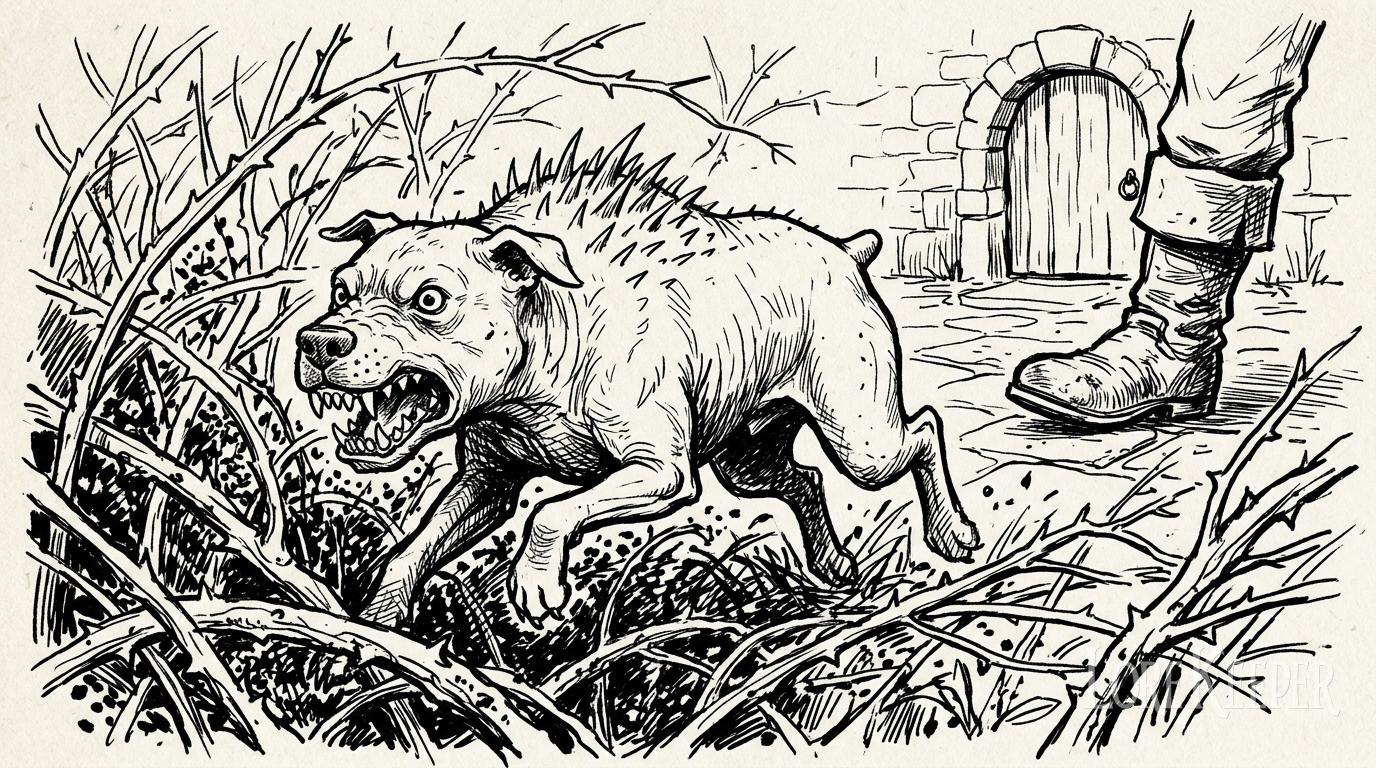
Grumbrel
A compact, hairless canid bristling with hardened keratin spines along its neck and shoulders, the Grumbrel moves with an erratic, snapping fury that makes it terrifying despite its small stature…
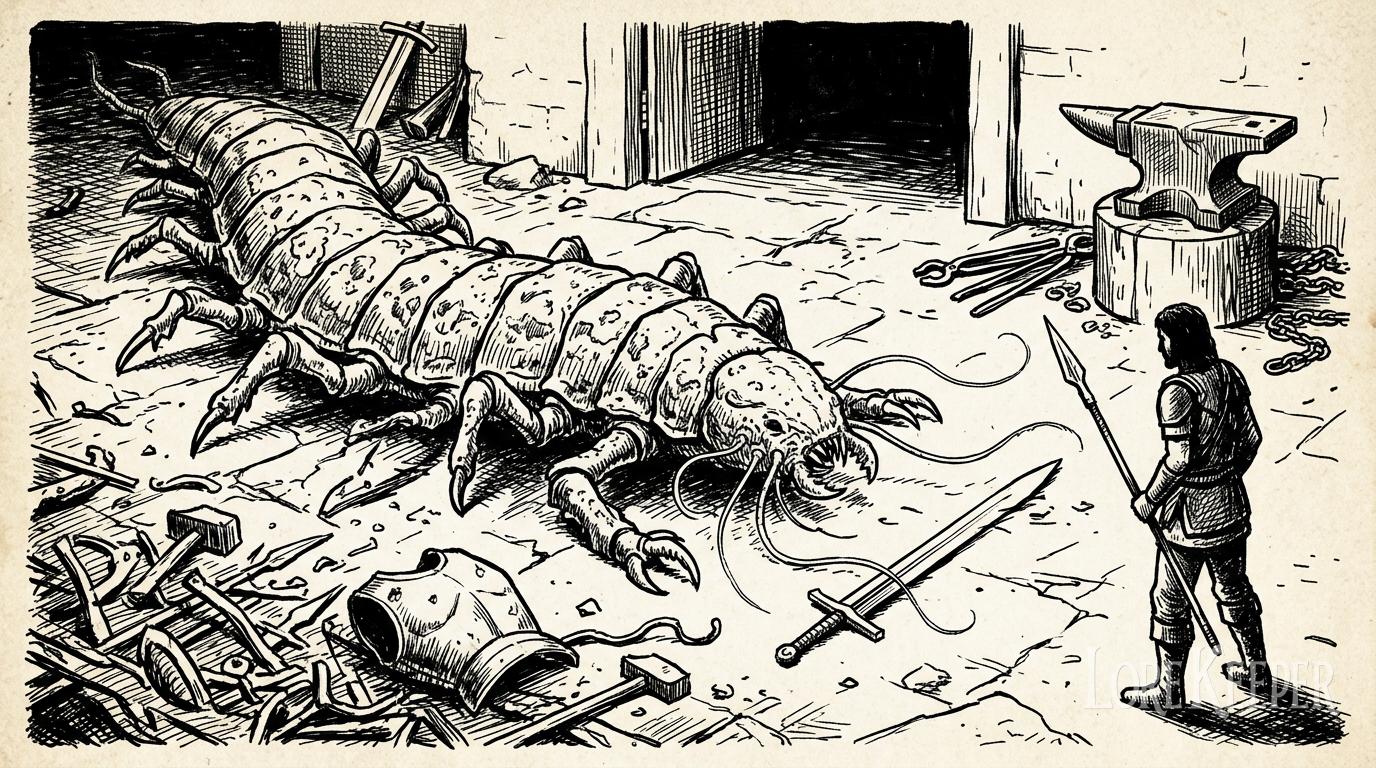
Ferrugivore
The Ferrugivore is a grotesque, centipede-like vermin that hungers for the hum of enchantment. It glides over armor and weapons with uncanny purpose, its segmented carapace exuding a whine like…