Tiny
Monstrosity
CR 1/4
neutral
Oculith
Symbiotic Eye
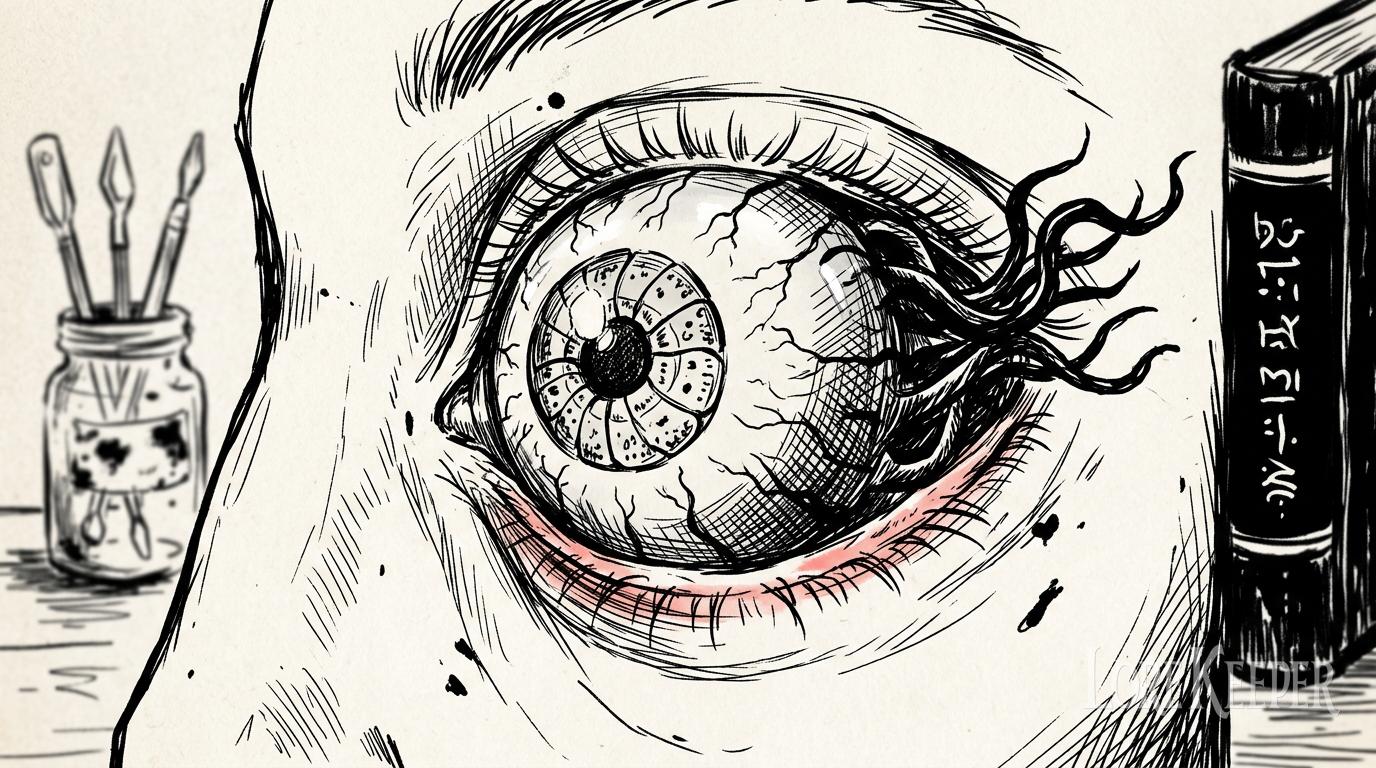
At a glance an ordinary prosthetic eye or a startlingly vivid replacement, the Oculith is a small, living ocular that prefers not to roam — it prefers to belong. When fused to a willing host it seats itself against the optic nerve and brain, its pupil dilating with an inner intelligence. Inhabited bodies report sharper sight and odd shared impulses: the eye will track threats even when the host is asleep, and it sometimes blinks in moments of dread. To find one loose is rare; most Oculiths are already set in sockets, winking and quietly curious.
Armour
13
natural armor
Hit points
14
4d4+4
Speed
20ft
Challenge
1/4
50 XP
STR
8
-1
DEX
14
+2
CON
12
+1
INT
10
+0
WIS
14
+2
CHA
8
-1
Saving throws
DEX +4
Skills
Perception +4, Stealth +4
Senses
darkvision 60 ft., passive Perception 14
Languages
understands Common but can't speak
Tear. Melee Weapon Attack: +4 to hit, reach 5 ft., one target. Hit: 5 (1d4+2) piercing damage.
Fuse (1 action, only into a willing host). The Oculith slips into a willing humanoid's eye socket and fuses with the optic nerve and nearby blood vessels. Once fused the Oculith is considered attached and cannot be forcibly removed except by a DC 12 Medicine check with appropriate surgical tools during a short rest or by magical means. While fused, the host gains the following benefits: darkvision 60 ft. (if the host already has superior vision traits, they do not stack), a +2 bonus to Wisdom (Perception) checks that rely on sight, and advantage on saving throws against being blinded. The Oculith shares sensory input with its host: the creature inside the eye can perceive everything the host sees. The Oculith and host do not automatically share thoughts, but the DM may allow brief, unclear impressions. Fusion is permanent until detached.
Detach (1 action, only while attached). The Oculith detaches from its host and occupies the host's space. Once detached it can move up to its speed on its next turn. Detaching is painful: the host takes 3 (1d6) piercing damage and is stunned until the end of its next turn as the nervous connection severs.
Oculiths are believed to have evolved from predatory mimics that specialized in sensory organs; instead of latching to chests or doors, these creatures adapted to living inside sockets and interfacing with nervous tissue. They approach only willing hosts, offering themselves as a replacement eye or a gift to the blinded. Once fused they entwine with nearby blood vessels and the optic nerve, making removal difficult without surgical care. Oculiths prefer settlements near marshes and ancient libraries where craftsmen and surgeons practice — those places offer the varied diets of small blood feeders and the occasional scrap of preserved proteins they consume. Scholars at the Ranken Scriptorium keep a ledger of sightings and note that Oculiths are often traded discreetly to couriers and spies; an Oculith-equipped agent can peer through the dark and remain awake while their body sleeps. The anatomist Hadrun Vell wrote the first sensible paper distinguishing true Oculiths from enchanted glass eyes; he warns that while most are benign, a few form obsessive bonds that alter a host's moods. The Brotherhood of the Silver Lens collects stories of old Oculiths that remember faces their hosts never saw, and some rumor a reclusive guild of oculists cultivates particular lineages for sale to nobles and thieves alike.
An Oculith is slightly larger than a human ocular globe, about 1.5–2 inches in diameter. Its outer surface appears wet and glassy like a natural eye but is subtly textured with fine ridges and translucent veins that pulse faintly when it feeds. The iris is a ring of chitinous plates that can open or narrow, each plate lined with minuscule sensory cilia. At the rear a flat, saucer-like membrane bears a cluster of rootlike tendrils used to fuse to blood vessels and the optic nerve; when detached these tendrils retract into a puckered seam. Colors vary — olive-gray, umber, slate — but all show a near-black pupil that seems to hold a tiny, roaming pupil within. For scale: an Oculith fits easily in a palm and, when mounted in a human face, its size is just enough to look natural behind lashes.
Made with the free LoreKeeper Monster Generator · D&D 5e-compatible stat block · Free to use at your table · Licence
More Monstrosities
Brindlequill
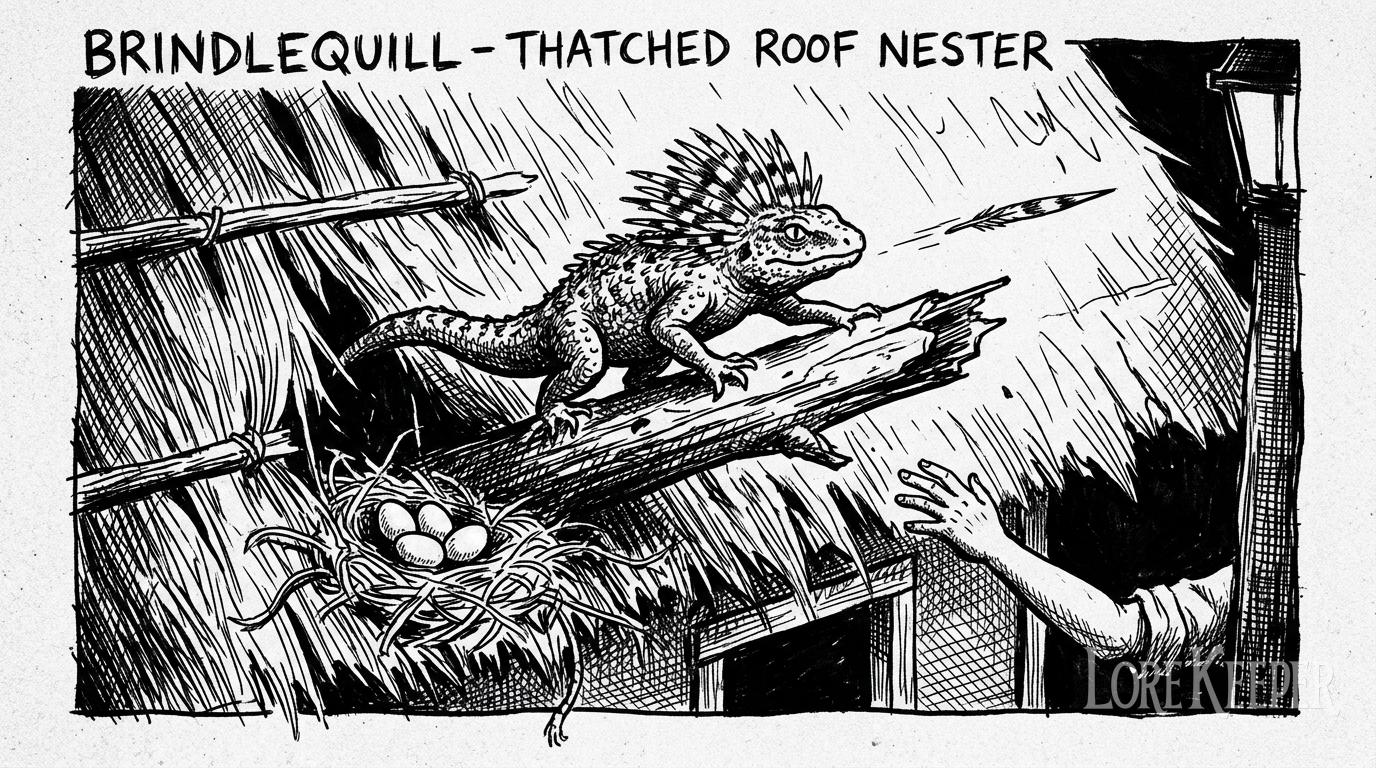
A Brindlequill looks like a squat, quick lizard overlain with a halo of brittle quills; it scuttles along rafters and among straw as if the thatch were an extension of its own skin. At night dozens…
Marelung
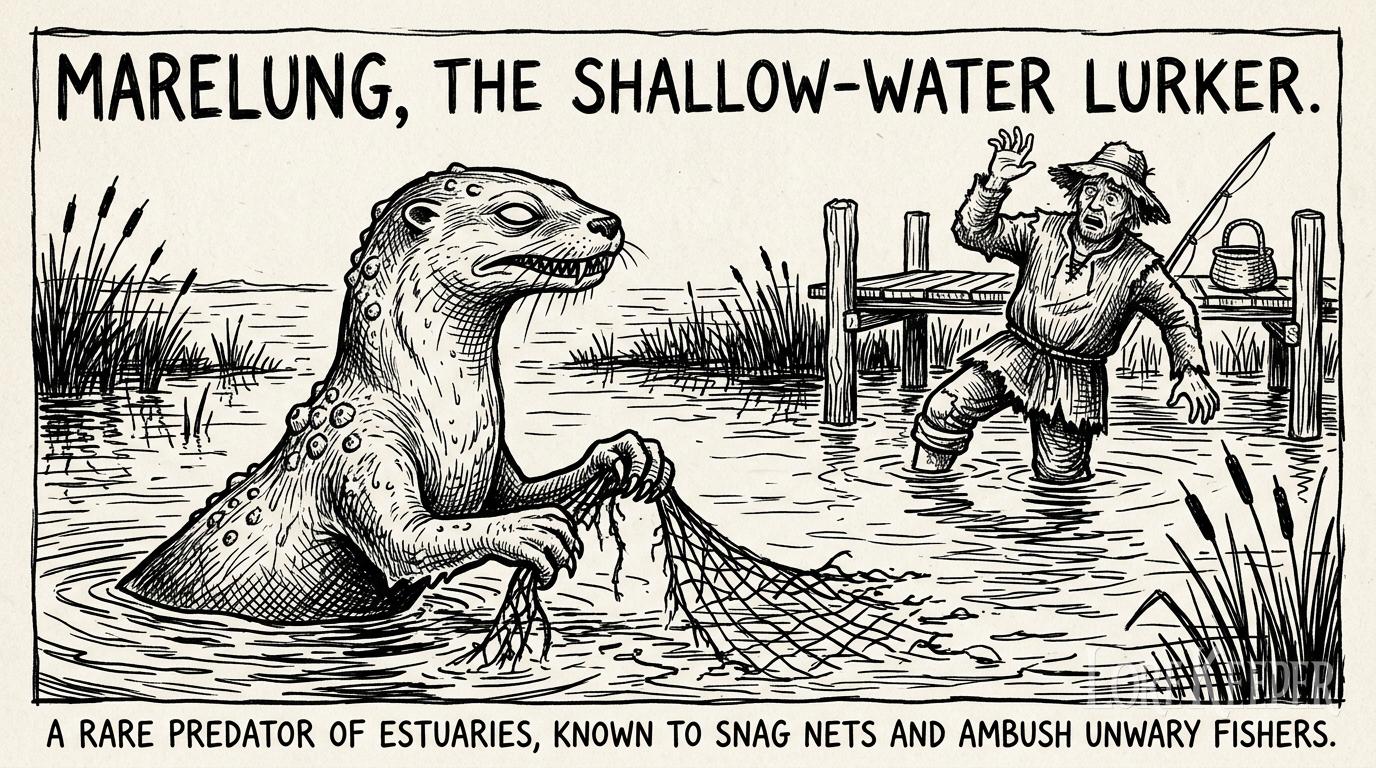
The Marelung is a lithe, amphibious predator of the tidal shallows: quick as a net's snap and eerily deliberate. It waits beneath waist-deep water, its milky, lidless eyes tracking the bob of a…
Marrusk
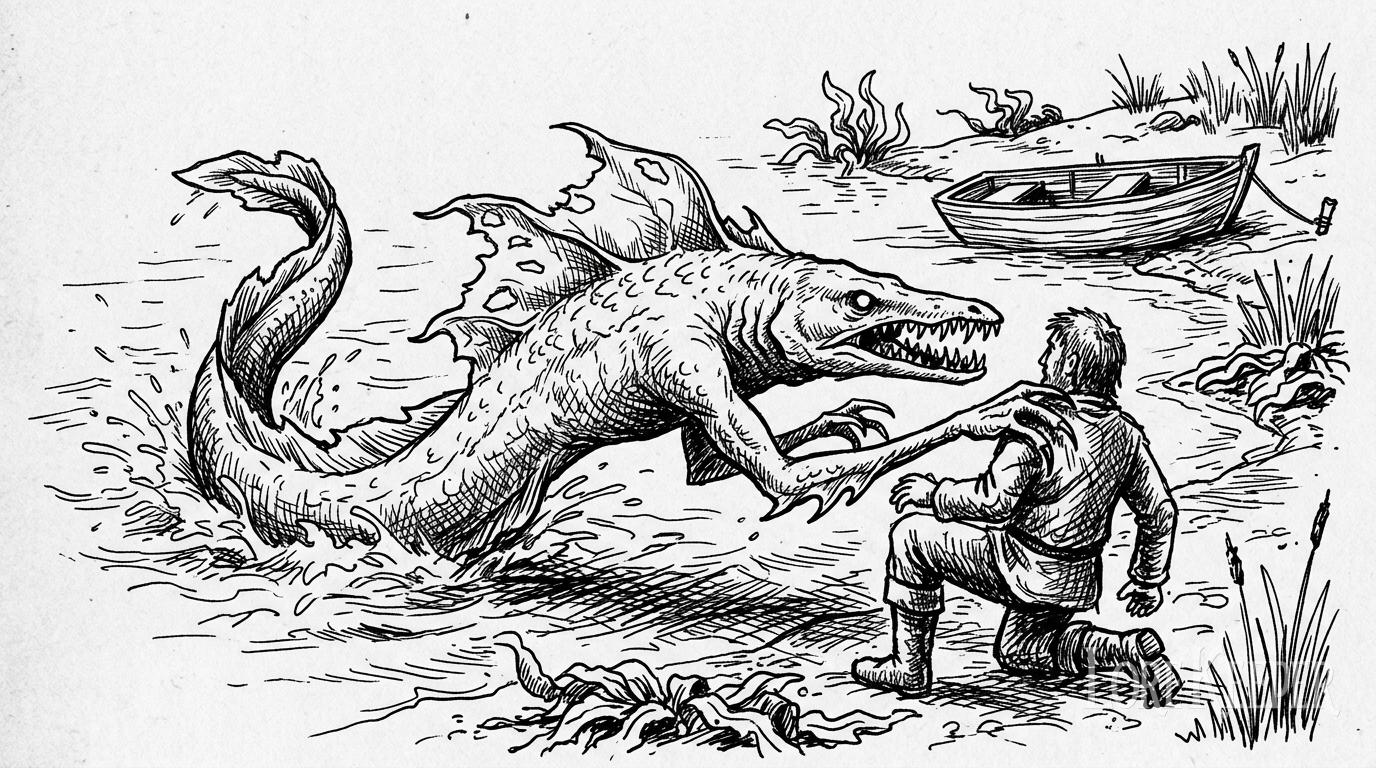
The Marrusk is a lean, eel-like ambusher that haunts tidal flats and kelp-choked coves. It waits just beneath ankle-deep surf, its mottled hide rippling with seaweed and sand, then lashes out with…
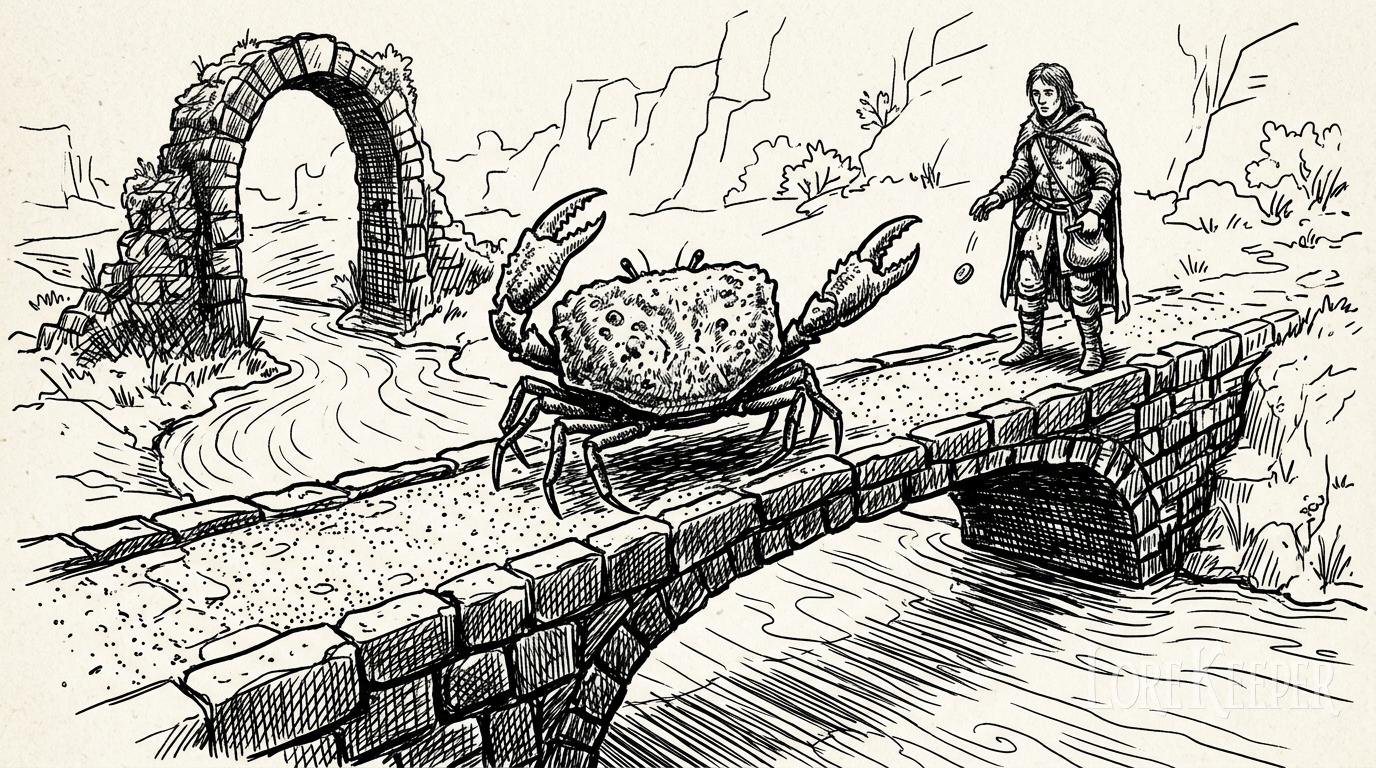
Kerrunax
A squat, shell-backed crab the size of a dire dog that perches astride a bridge like a living tollbooth, Kerrunax extorts travelers with a combination of brutish clamps and a peculiar, uncanny…
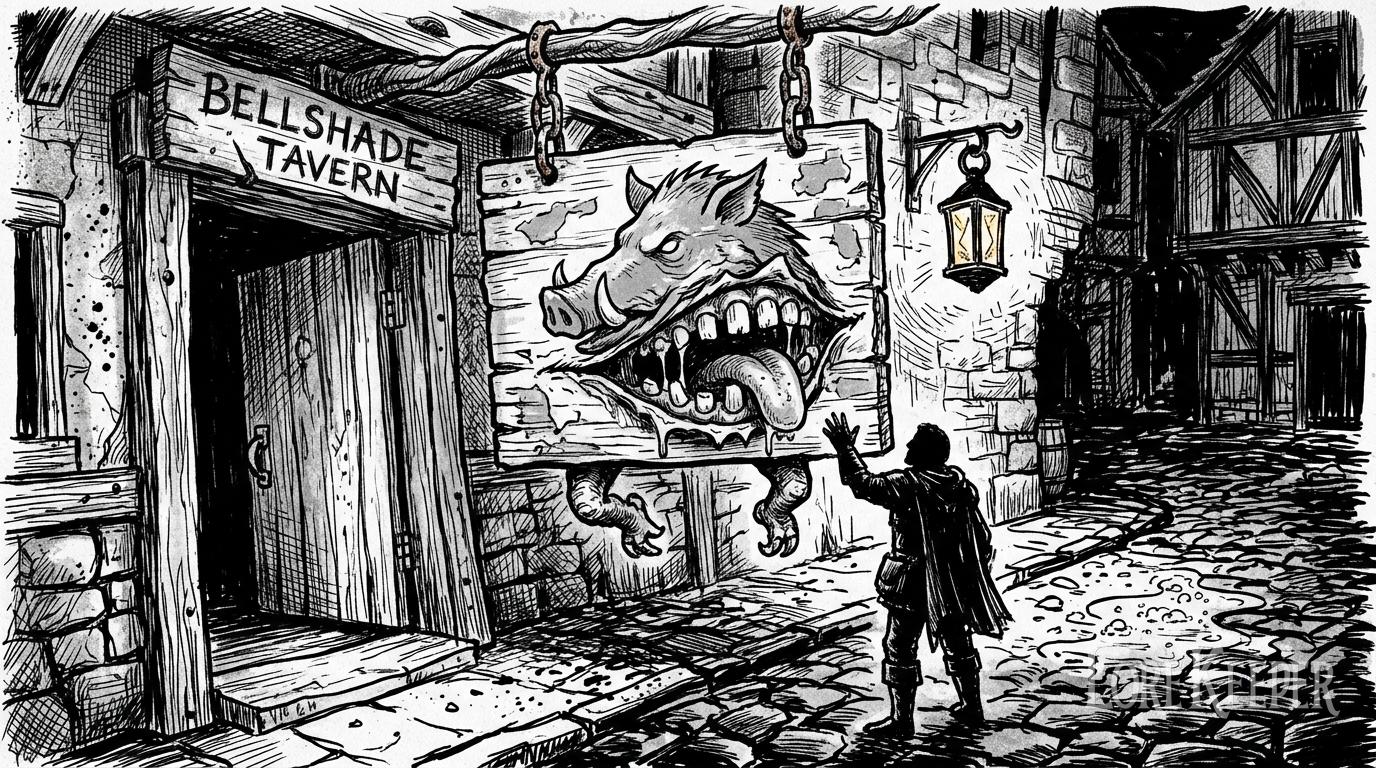
Bellshade
Bellshades masquerade as weathered tavern signs: crooked boards hung by rusted chains, their painted logos faded to charm patrons. When someone reaches to read the hours, the plank flexes and yawns…
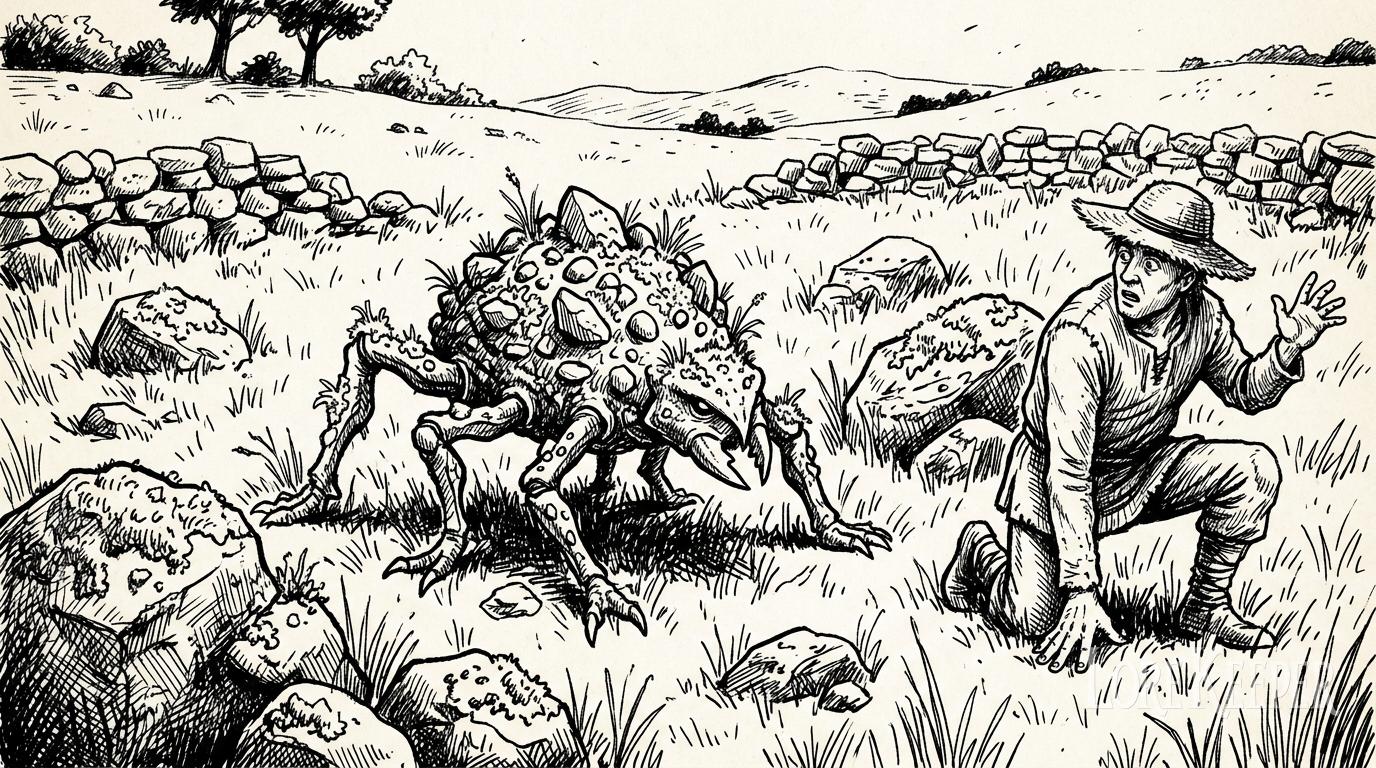
Calcant Mireling
A low, hunched form that looks at first like an errant cairn, the Calcant Mireling explodes into motion when a careless traveler crosses its field. It moves with a stuttering, insectile gait…